Start with a real request.
Trace one piece of work from the moment it arrives to the moment someone can use the result. Find the missing information, the repeated work and the decisions.
Our example: an enquiry becomes a reviewed customer quote.
A working session for one business process
Bring the work you want to improve. Leave with a map of how it should run and a starting brief for building it.
€199 · 60-minute session · Written package afterwards
“Can we stop
remaking every
customer quote?”
Does this sound familiar?
A request arrives by email. Someone copies it into a spreadsheet. Details are missing. The next person asks the same questions again.
You suspect software could help. You need to work out what to build, where AI adds value, and which decisions stay with your team.
01 / Make the work visible
This is the thinking I bring to my practical talks and the systems I build.
Select a step to see what belongs there and what happens when it goes wrong.
A readable preview. The package includes an editable BPMN process file.
One useful distinction
A development assistant helps write a pricing calculator. Once built, code calculates the price.
A model reads each new customer email. Its draft is checked before anything is promised.
02 / Built in practice
Different businesses. Concrete decisions about how work should move.
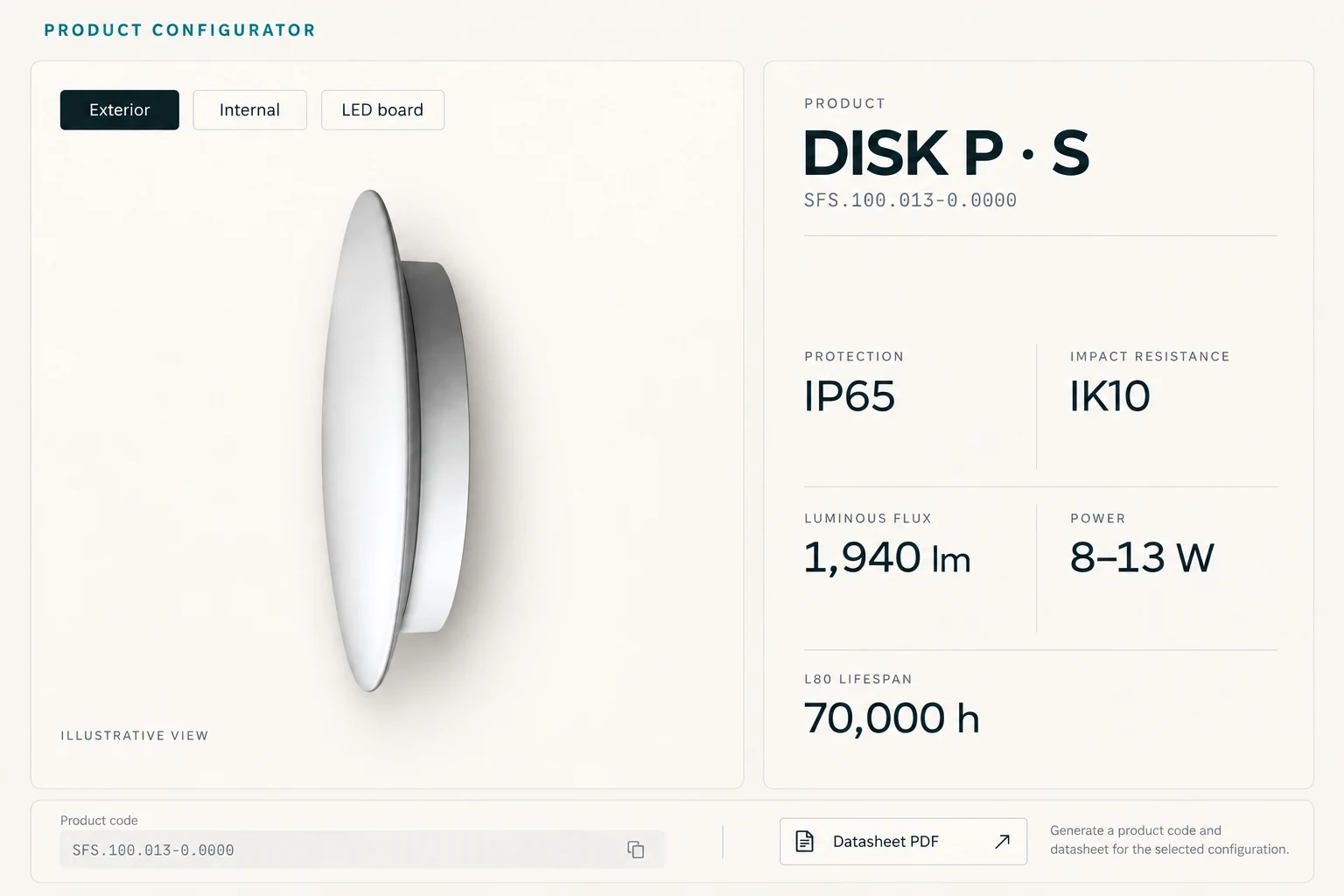
Model the components and valid combinations. From that shared model, generate a product code and the documents people need.
Compatibility belongs in a data model. People can look up the exact configuration behind a code.
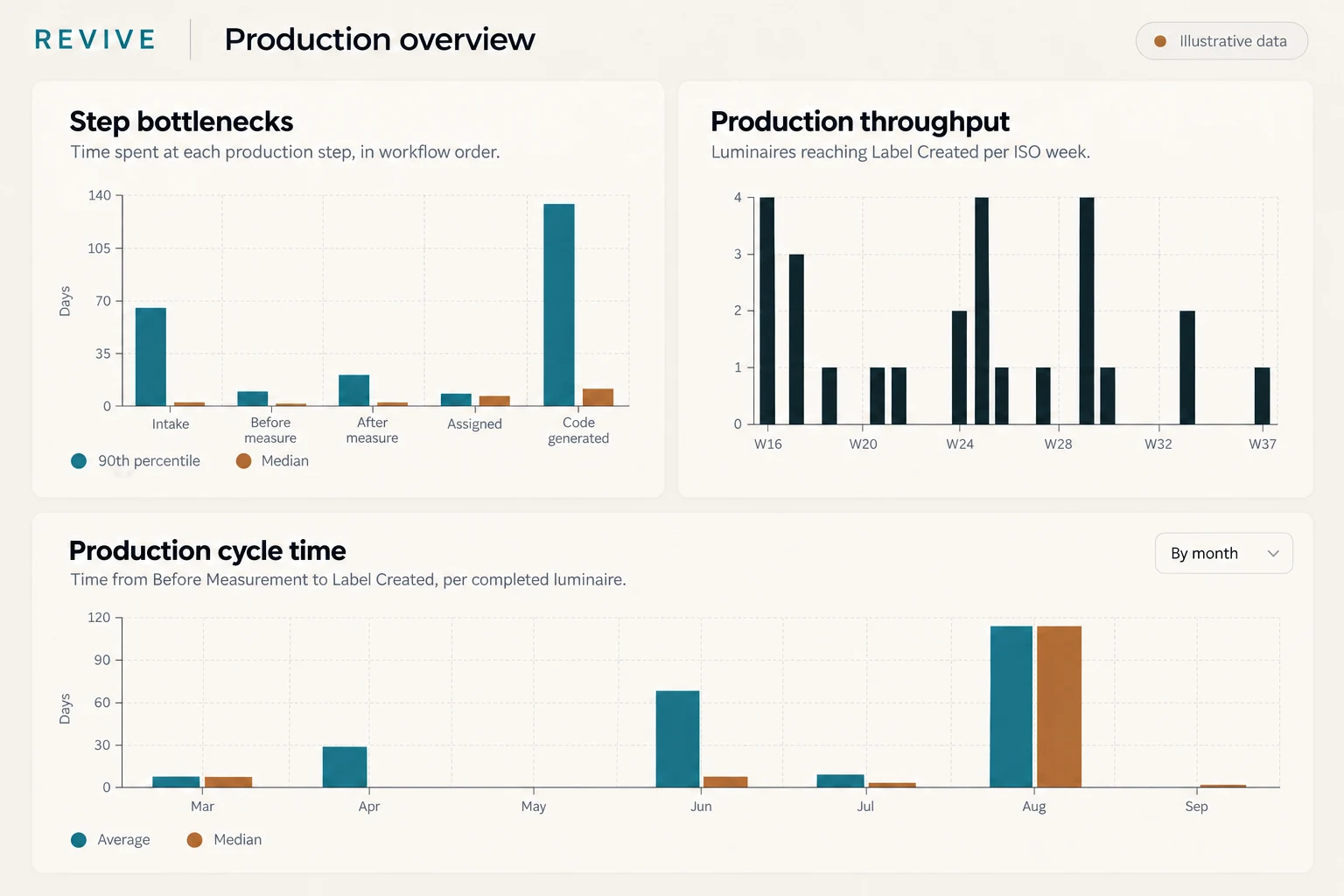
Site information becomes an estimate, then a sample, an approval and work for production. Each stage needs the context from the one before.
A shared workflow makes status and missing information visible across handoffs.
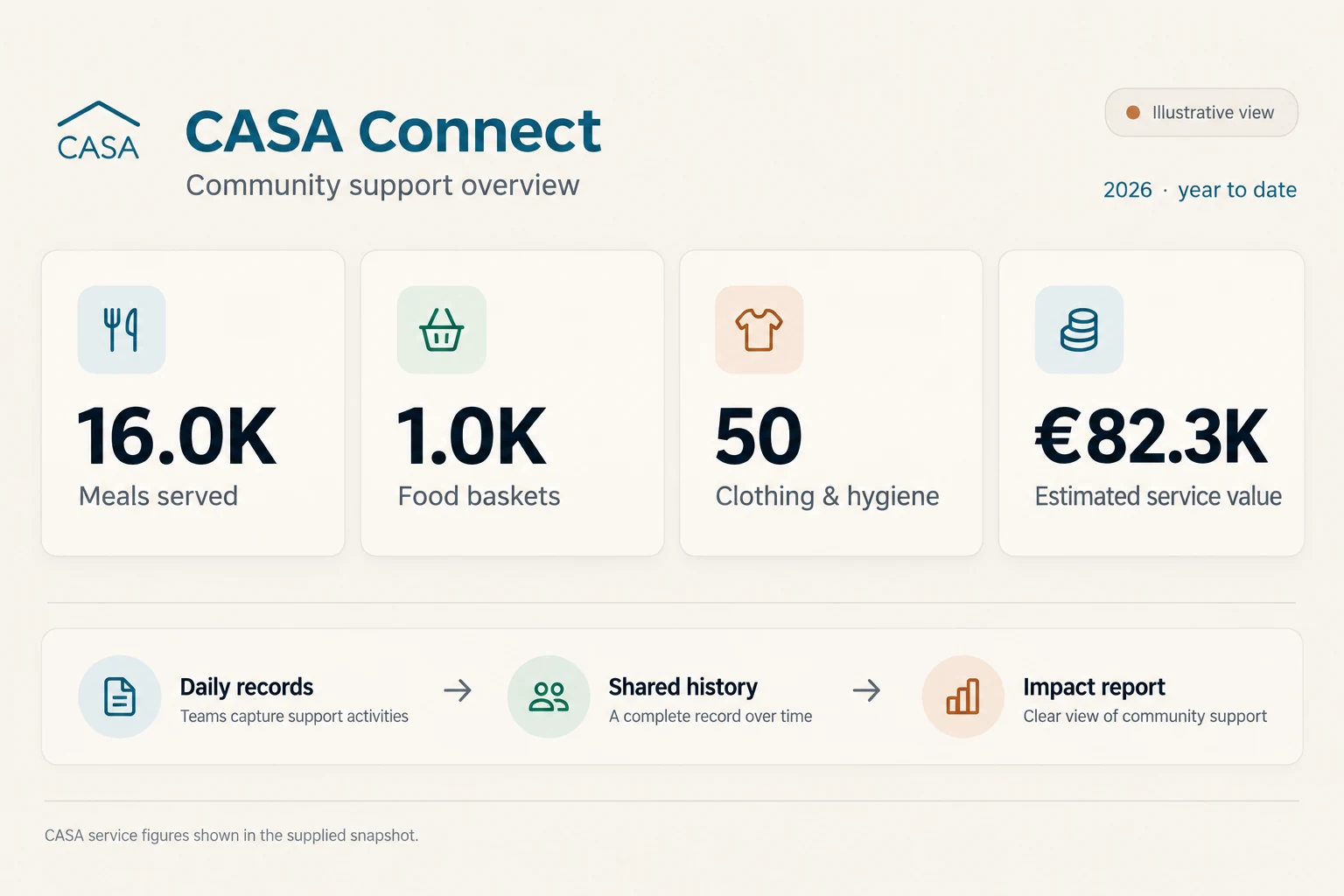
Everyday support work becomes a shared history and a monthly impact report. The next colleague can continue with the context already in place.
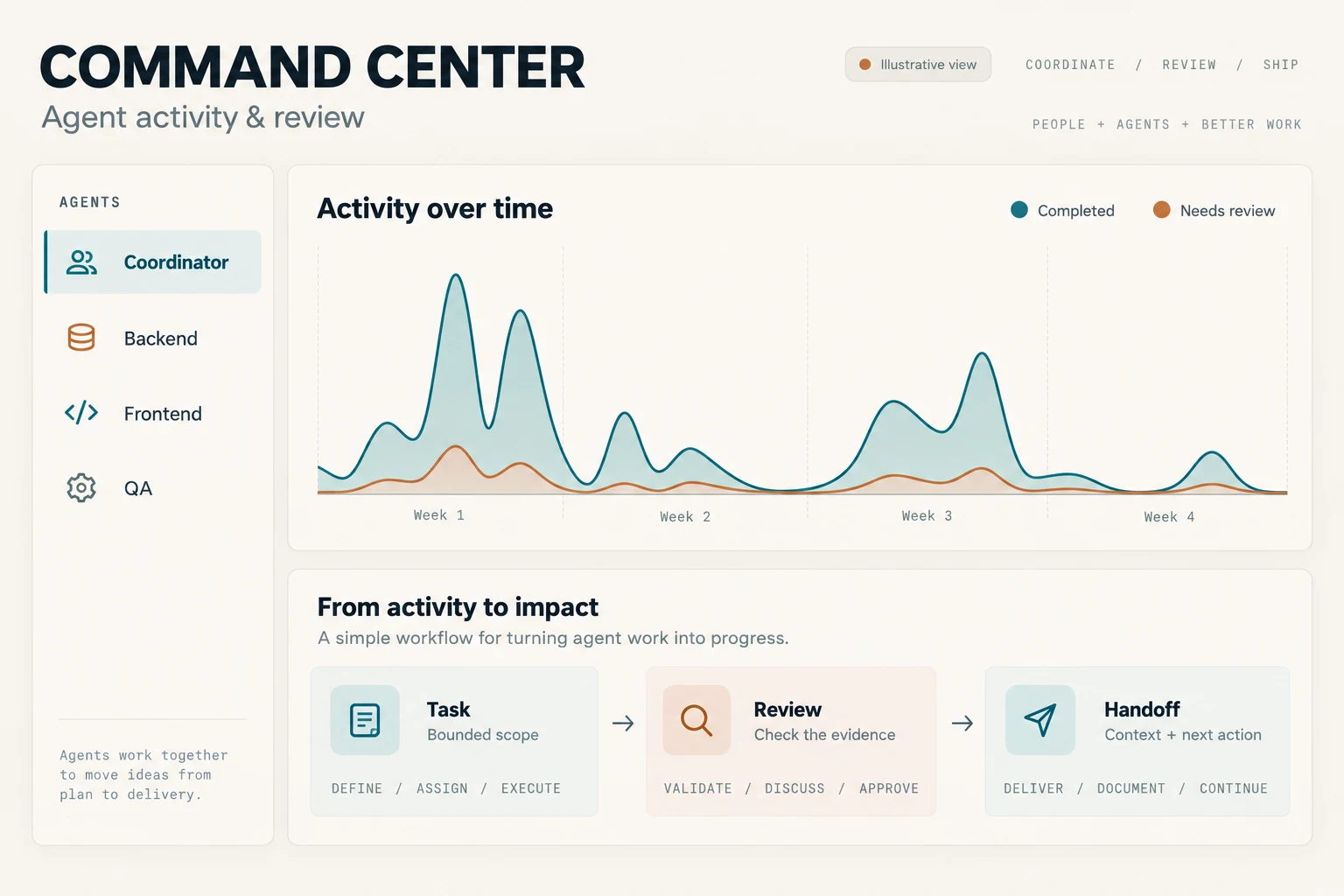
Command Center makes agent activity visible. Clear task boundaries, review and shared context help the next contributor continue the work.

Victor Lipov · business systems architect
I design and build systems that help businesses run. I use AI in my own work. My practical talks explore where it helps, where ordinary code is enough, and where a person needs to make the call.
That is the perspective we apply to your process.
Workshop feedback
“What I appreciate about Victor is his practical approach to AI and automation. He focuses on understanding the business problem first and choosing the simplest solution that makes a difference. His workshop at Madeira Friends Hub reflected that mindset, with useful guidance on where AI adds value and where human judgment matters. I’d recommend Victor to anyone looking to simplify their operations and put technology to work with a clear business purpose.”
03 / Something you can take forward
A concrete package for one workflow, ready to discuss with a developer or use with your development assistant.
One process.
A clear starting point.
Designed for one bounded workflow. Software development, integration testing and a complete technical architecture are separate work.
Book my sessionChoose a time and pay securely through Cal.com. Privacy
Not sure this session fits? Email me.
A few sentences about the process you want to improve are enough.victor@victorlipov.comStarts with an incoming request. Ends when an approved quote has been delivered and recorded.
Incomplete requests wait for clarification. Failed AI extraction goes to manual entry. Nothing reaches the customer without approval.
The brief connects the process to the interfaces, data and checks needed to start development.
“Read the process map and this brief. Identify the unknowns that block a first build. Implement the manual intake-to-approval path first...”
A small foundation for continuity, useful whether the next contributor is a developer or an AI assistant.
A readable handoff is enough for this sample. An installed multi-agent system is outside the session package.
Is this the right next step?
For owners and operators who can show how the work happens today, and want a practical starting point for improving it.
You can cancel and receive a refund up to two business days before the session.
One recurring workflow, an anonymised example of what comes in, and an example of the result you want. Screenshots or existing documents help. A polished specification is unnecessary.
The map can recommend ordinary software or a simpler process change. We will make that choice explicit in the brief.
The starting prompt gives your assistant context, scope and acceptance checks. You will still need to review its work. The package is a starting point for development, not a guarantee of a finished application.
We choose one useful workflow before the session. The package covers that slice and records the larger questions separately.
Yes, implementation can be discussed separately. You can also take the package to another developer.